As a manufacturer of outdoor gear for over 15 years, I've seen countless hikers struggle with unreliable knives that fail when needed most. The wrong knife choice can leave you stranded or, worse, injured on the trail.
The best hiking knife in 2025 combines a high-quality steel blade (preferably 440C or better), ergonomic handle design, and weight under 8 ounces. It should have a full tang construction for durability and come with a secure sheath system for safe carrying.
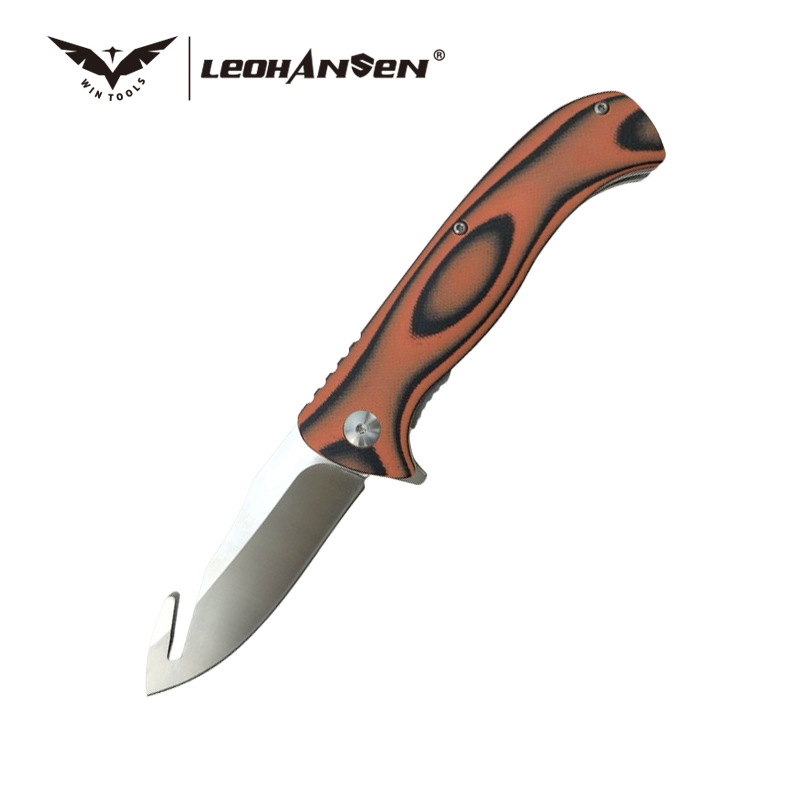
Having supplied knives to outdoor retailers across North America and Europe, I've gathered extensive feedback on what works and what doesn't in real-world conditions. Let me share insights that will help you choose the perfect hiking companion.
What Makes a Good Hiking Knife?
Every season, I see customers return damaged knives because they chose the wrong type for their needs. A good hiking knife isn't just about sharp steel - it needs to match your specific trail requirements.
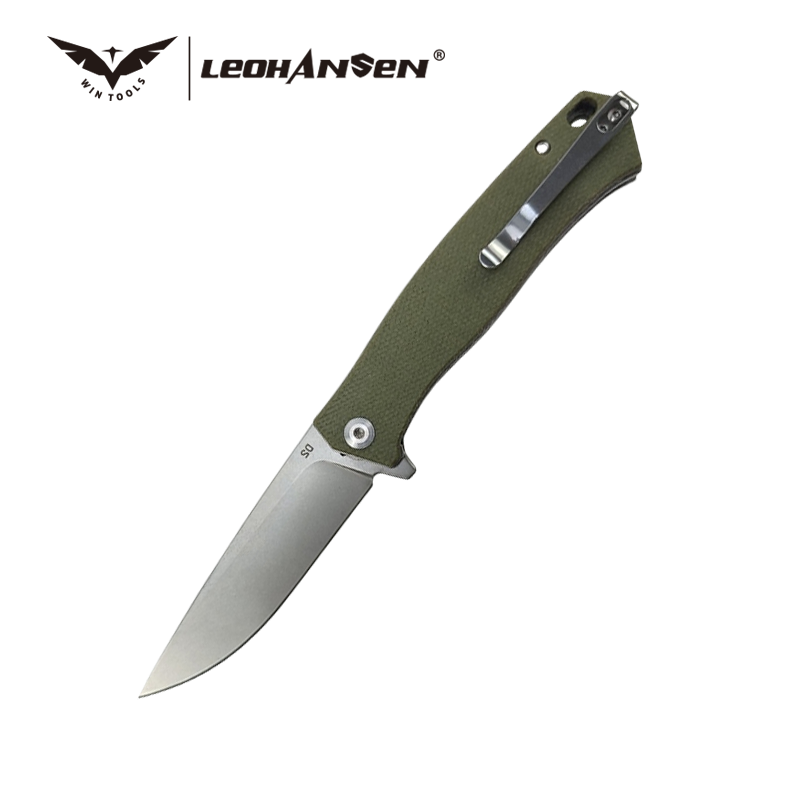
A good hiking knife needs four essential features: corrosion-resistant blade steel (like 440C or D2), comfortable grip material that works in wet conditions, blade length between 3-5 inches, and a reliable locking mechanism or full tang construction.
Key Features to Consider:
Blade Material
| Steel Type | Pros | Cons |
|---|---|---|
| 440C | Excellent corrosion resistance, easy to sharpen | Moderate edge retention |
| D2 | Superior edge retention, good toughness | More maintenance needed |
| S30V | Premium all-rounder | Expensive, harder to sharpen |
Handle Materials
- G10: Excellent grip, weather-resistant
- Micarta: Natural feel, performs well when wet
- TPE: Budget-friendly, good shock absorption
Weight Considerations
- Ultralight: 2-4 oz
- Standard: 4-8 oz
- Heavy-duty: 8+ oz
Through our testing facility, we've found that the sweet spot for most hikers is a 4-inch blade weighing around 6 ounces. This provides enough utility for most trail tasks while remaining comfortable to carry.
Are Fixed or Folding Knives Better for Hiking?
After selling thousands of both styles, I can tell you this is one of the most common questions I get from buyers. The choice significantly impacts both safety and convenience on the trail.
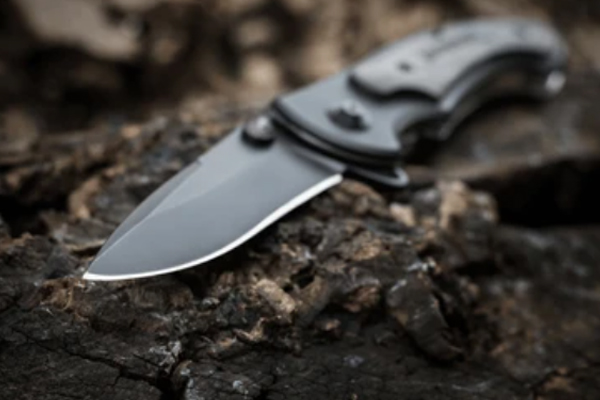
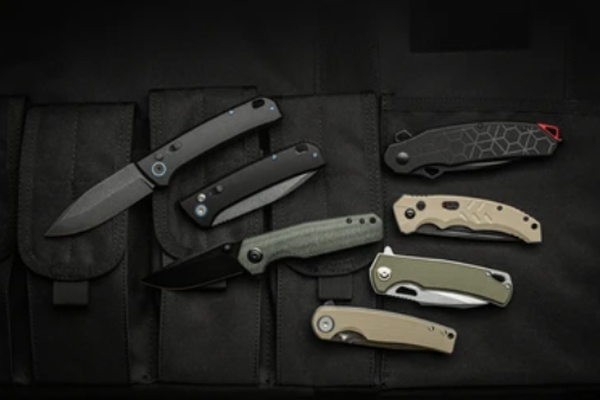
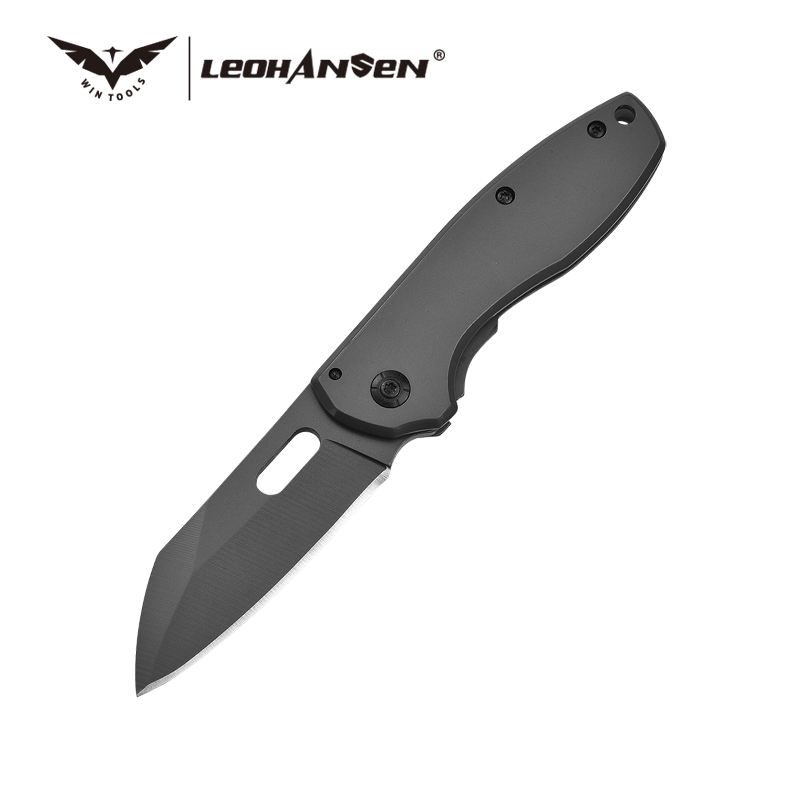
Fixed blade knives are generally better for serious hiking due to their superior strength and reliability. However, folding knives offer better portability and are suitable for light to moderate trail use. Your choice should depend on your specific hiking style and needs.
Detailed Comparison:
Fixed Blade Advantages
- Stronger construction
- No moving parts to fail
- Better for heavy-duty tasks
- Easier to clean and maintain
Folding Knife Benefits
- More compact
- Lighter weight
- Often legal in more areas
- Easier to pack
Usage Scenarios
| Activity | Recommended Type | Reasoning |
|---|---|---|
| Day Hiking | Folding | Lightweight, sufficient for basic tasks |
| Backpacking | Fixed | More reliable for extended trips |
| Winter Hiking | Fixed | Better with gloves, more robust |
| Urban Trails | Folding | More discrete, often regulation-compliant |
From my experience working with professional guides, I've noticed most prefer fixed blades for serious expeditions while keeping a folding knife as backup. This combination offers maximum versatility and safety.
Conclusion
Your ideal hiking knife should match your specific trail needs, skill level, and local regulations. Focus on quality materials, comfortable handling, and appropriate size for your intended use.
Need help finding the perfect hiking knife? Contact us at wintools-bella@hotmail.com for professional guidance and wholesale opportunities.