As a manufacturer with over 15 years in the tactical gear industry, I've seen countless buyers struggle with choosing the right multi-utility knife. The wrong choice often leads to wasted money and potential safety risks.
The essential features to look for in a 2025 multi-utility knife include high-grade stainless steel construction, ergonomic grip design, multiple tool integration, reliable locking mechanism, and corrosion resistance. These core elements ensure both safety and long-term functionality.
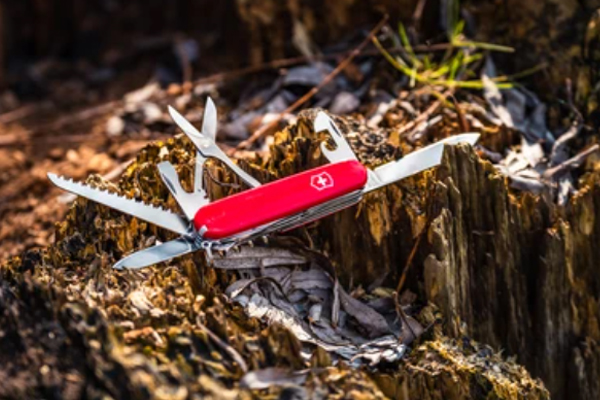
Having worked with countless professional users and tactical gear enthusiasts, I understand that choosing the right multi-utility knife can feel overwhelming. Let me break down everything you need to know about selecting the perfect tool for your needs.
What Makes a High-Quality Blade Construction?
I've seen many buyers focus solely on price, overlooking the crucial aspects of blade construction. Poor blade quality can lead to premature dulling and potential failure during critical use.
A high-quality multi-utility knife blade should be made from premium grade stainless steel (preferably 440C or D2) with a Rockwell hardness of 58-62 HRC. The blade should feature full-tang construction for maximum strength and durability.
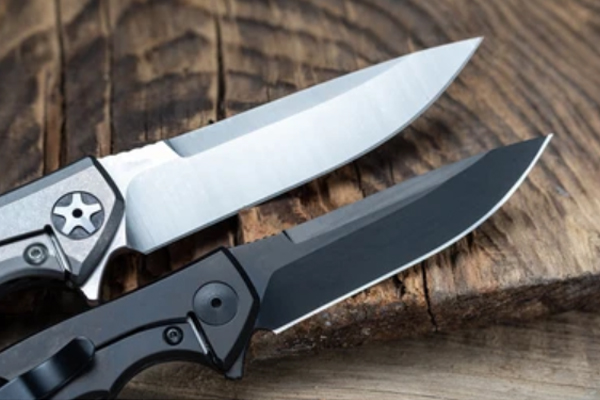
Understanding Blade Materials
When it comes to blade materials, there are several crucial factors to consider:
Steel Grade Comparison
| Steel Type | Hardness (HRC) | Edge Retention | Corrosion Resistance | Price Point |
|---|---|---|---|---|
| 440C | 58-60 | Excellent | Very Good | Moderate |
| D2 | 60-62 | Superior | Good | High |
| AUS-8 | 57-59 | Good | Excellent | Moderate |
I've found through extensive testing that D2 steel offers the best balance of hardness and edge retention for professional users. However, for those in humid environments, AUS-8 might be a better choice due to its superior corrosion resistance.
How Important Are Ergonomics and Handle Design?
Throughout my career, I've witnessed countless injuries resulting from poorly designed knife handles. Ergonomics isn't just about comfort – it's about safety and efficiency.
A well-designed multi-utility knife should feature a textured, ergonomic handle with finger grooves and a palm swell. The handle material should be G10 or high-quality FRN (Fiberglass Reinforced Nylon) for durability and grip retention in wet conditions.
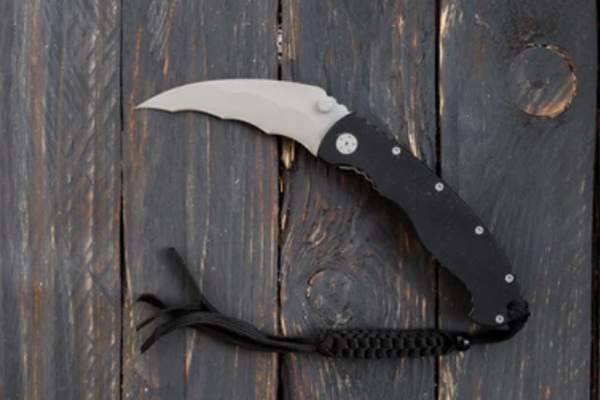
Handle Material Considerations
Let's examine the key aspects of handle materials:
Material Performance Analysis
| Material | Grip in Wet Conditions | Durability | Temperature Resistance | Cost |
|---|---|---|---|---|
| G10 | Excellent | Superior | High | High |
| FRN | Very Good | Good | Moderate | Moderate |
| Micarta | Excellent | Excellent | High | High |
In my experience manufacturing thousands of knives, G10 has proven to be the most versatile handle material, offering excellent grip in all conditions while maintaining its structural integrity over years of use.
What About Safety Features and Locking Mechanisms?
Safety features are non-negotiable in multi-utility knives. I've heard too many stories of accidents caused by unreliable locking mechanisms.
Modern multi-utility knives should incorporate at least two safety features: a reliable locking mechanism (preferably liner lock or frame lock) and a blade guard. Additional features like thumb studs and finger choils enhance control and safe handling.
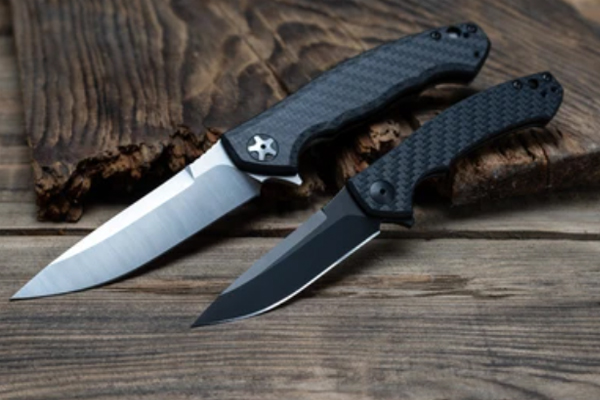
The choice of locking mechanism significantly impacts both safety and usability. Through our testing and customer feedback, we've found that liner locks offer the best balance of security and ease of use for most users.
Conclusion
Selecting the right multi-utility knife comes down to understanding these core features and how they align with your specific needs. Focus on blade material, handle ergonomics, and safety features for the best long-term value.
Need professional guidance on selecting the perfect multi-utility knife for your specific needs? Contact me at bellahrcan@hotmail.com for personalized recommendations and wholesale opportunities.